


Why Modern Ecommerce Growth Requires Ownership, Not Dependence

Ecommerce brands operate in an increasingly unstable environment. Advertising platforms change rules frequently, competition intensifies, and customer attention fragments across channels. Growth strategies that once felt reliable now appear fragile.
This instability has forced brands to confront an uncomfortable reality: growth built entirely on external platforms lacks durability.
As a result, many teams are investing more heavily in owned marketing systems—email, SMS, and customer data platforms like Klaviyo—to regain control and long-term flexibility.
Paid Growth Depends on External Rules
Paid media performance is governed by algorithms, auction dynamics, and platform priorities. While these systems can deliver reach, they also introduce uncertainty.
Brands frequently encounter:
- Sudden performance drops with no operational change
- Escalating costs driven by competitive pressure
- Limited transparency into optimization mechanics
Dependence on these systems restricts strategic flexibility.
Owned Marketing Restores Control
Owned channels function under a different logic. Brands control access, messaging cadence, and data collection.
Email lists and SMS subscribers represent direct connections that persist regardless of platform changes.

Memory Is the Missing Layer in Ad-Driven Growth
Paid ads have no memory. Each interaction exists in isolation.
Owned marketing builds memory. Customer preferences, behaviors, and history accumulate over time.
This memory enables relevance, which drives trust and repeat behavior.
Retention as a Stability Mechanism
Retention stabilizes revenue by reducing reliance on continuous acquisition.
Returning customers require less persuasion, exhibit higher confidence, and reinforce brand familiarity.
Unified Data Enables Adaptive Systems
Disparate data sources limit insight. Unified profiles enable adaptation.
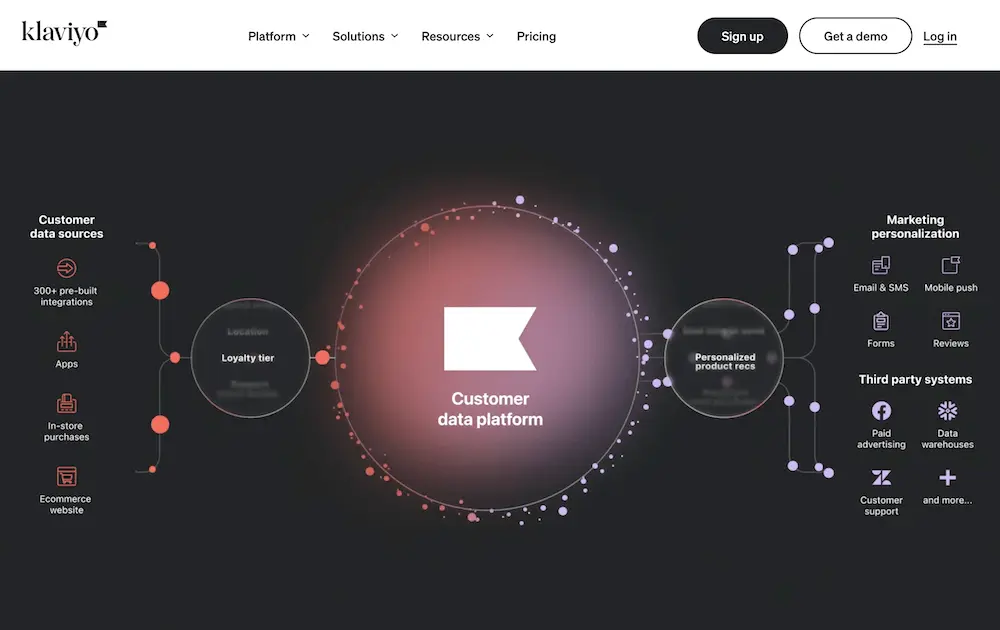
Klaviyo consolidates behavioral and transactional data, allowing systems to respond dynamically.

Email and SMS as Systemic Channels
Email delivers narrative and education. SMS delivers urgency and timing.
Used together, they support long-term engagement rather than one-off conversions.
Lifecycle Thinking Replaces Campaign Mentality
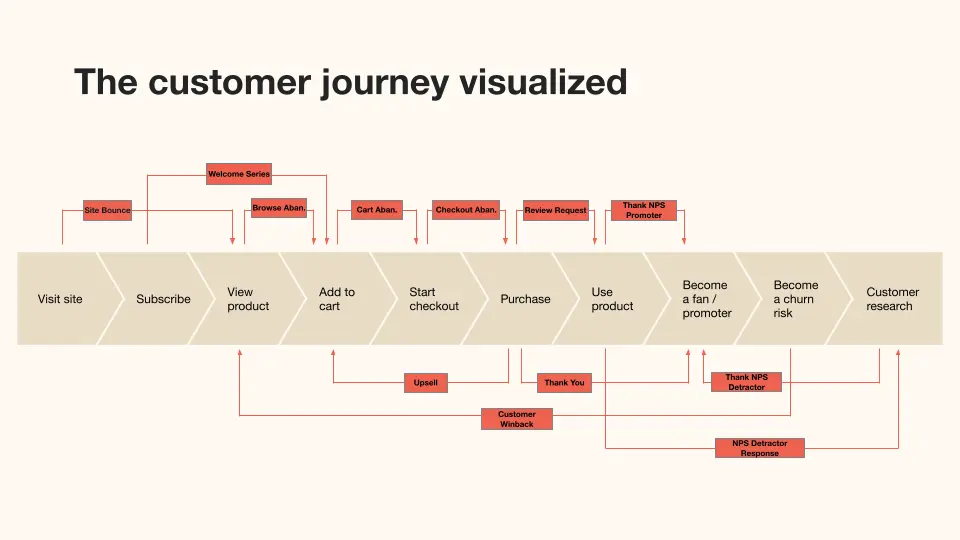
Lifecycle marketing focuses on customer state rather than calendar events.
Automation allows these systems to operate continuously.
Conclusion: Resilient Growth Is Built, Not Rented
Growth strategies rooted in dependence are inherently fragile.
Owned marketing restores control, memory, and adaptability.
By investing in platforms like Klaviyo, ecommerce brands build systems that endure beyond platform cycles.
In uncertain markets, ownership is not optional—it is foundational.