


Website Elements That Make Online Shoppers Feel Safe To Buy


First-time shoppers carry a specific kind of anxiety that returning customers don't. They haven't experienced your brand before. They can't examine the product. They can't gauge reliability through reputation. Everything they know about your store comes from what's visible on the page in front of them.
That's the moment where safety signals matter most. Not security in the technical sense — most eCommerce platforms handle encryption by default — but perceived safety: the feeling that this store is legitimate, the product is as described, and the purchase will go as expected. According to Senja's eCommerce research, 73% of visitors leave without buying even when clearly engaged. The majority of that lost revenue isn't a traffic problem. It's a perceived safety problem. Shopify makes most of these elements straightforward to implement — the challenge is knowing which ones to prioritize and where to place them.

The Safety Perception Gap in eCommerce
Physical retail creates safety perception automatically. A well-lit store, visible staff, branded packaging, and the ability to touch the product before buying — all of these generate confidence that requires no active communication from the retailer. Online, none of these exist. Every element of perceived safety has to be deliberately constructed on the page.
The safety questions every first-time online shopper is implicitly asking:
- Is this store real? (legitimacy)
- Will the product look and function as shown? (accuracy)
- Is my payment information protected? (security)
- What happens if something goes wrong? (recourse)
- Will it arrive when they say it will? (reliability)
Each of these questions has a corresponding website element that answers it. A store that answers all five converts first-time visitors at significantly higher rates than one that answers two or three. The stores that treat these as optional additions rather than foundational conversion elements are leaving their most valuable traffic — new visitors — unconverted at the first touchpoint.
Elements That Prove Legitimacy
Legitimacy signals answer the question "is this store real?" They matter most for stores without established brand recognition — which is most independent Shopify merchants competing against better-known alternatives.
About page with real information
An About page that contains a real story, real people, and a specific founding reason signals a business run by humans accountable for their products. Generic About copy ("We're passionate about quality") provides no legitimacy signal. Specific copy ("We started because we couldn't find a bag that fit under airline seats") does. Showing founder photos, a physical address or region, and a specific mission converts skeptical first-time visitors who would otherwise bounce to a more established store.

Contact information that's visible and real
A live chat widget, a support email address with a response time commitment, or a phone number visible in the header or footer tells shoppers that someone is accountable if something goes wrong. Stores with no visible contact information trigger immediate suspicion from experienced online shoppers — because fraudulent stores typically hide contact details.
Consistent branding across all pages
Visual inconsistency between product pages, checkout, and confirmation emails reads as a trust signal failure. If the checkout page looks different from the product page — different logo, different color scheme, generic Shopify theme headers — a portion of shoppers will abandon because the experience feels like it's been redirected to a different site. Consistent branded checkout (available on Shopify's paid plans) removes this friction entirely.
Elements That Prove Accuracy
Accuracy signals answer "will the product be what they show?" This is the most common source of post-purchase dissatisfaction in eCommerce — and it's almost entirely preventable through better product page construction. According to Salsify's research published by Chain Store Age, 45% of Gen Z shoppers and 43% of millennials have abandoned purchases when product details didn't match across sites. Inconsistency kills confidence before it even reaches checkout.
What accurate product pages include that inaccurate ones don't:
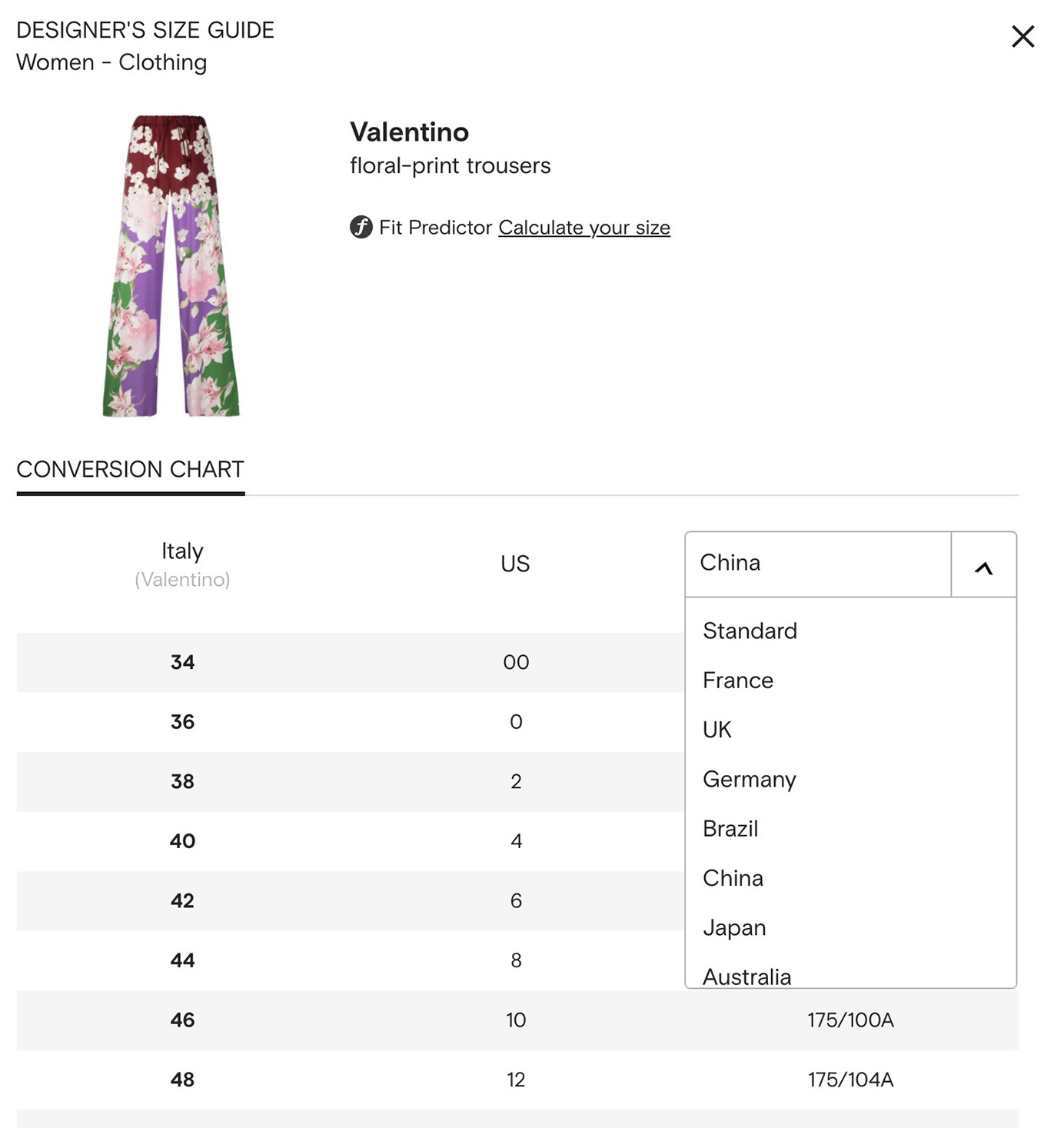
- Specific measurements, not just "small/medium/large." A fashion brand that lists chest measurements in centimeters alongside size labels answers the fit question before it becomes a reason to return. A brand that lists only S/M/L leaves that question open — and open questions become abandoned carts.
- Material and ingredient specifics. "Premium materials" means nothing to a buyer researching allergens or durability. "100% GOTS-certified organic cotton, no synthetic blends" means something. The more specific the specification, the more trustworthy the claim.
- Realistic photography. Studio photography that makes colors appear different from reality is one of the most common sources of returns and negative reviews. If a product photographs significantly differently from how it appears in person, showing UGC customer photos alongside studio shots bridges the expectation gap before purchase.
- Honest limitations. Describing what a product isn't good for alongside what it is good for signals confidence in the product's actual strengths. A merchant who says "this is not suitable for outdoor use" builds more trust than one who silently omits the limitation and waits for the return.
Elements That Prove Security
Payment security anxiety is real for a meaningful share of online shoppers. According to ConvertCart's research, 18% of shoppers don't trust eCommerce brands with their credit card information. That hesitation doesn't disappear on its own — it requires a visible signal that payment data is protected.

The security elements that reduce payment anxiety, in order of impact:
- Recognized payment logos near the Add To Cart button. Visa, Mastercard, PayPal, Shop Pay, Apple Pay, Google Pay — these logos transfer trust from institutions shoppers already trust to your store. The shopper hasn't reached the payment form yet, but seeing familiar logos signals that checkout will function normally.
- SSL certificate indicator. The padlock in the browser address bar is the baseline. Stores without it (HTTP rather than HTTPS) fail this trust check automatically. Shopify stores are SSL-secured by default, but it's worth verifying that this is visible on all pages, including product and collection pages.
- Security badges at checkout. Positioned directly adjacent to payment form fields, security badges address maximum anxiety at maximum intensity. According to Rework Resources' placement research, this adjacency matters — a badge in the footer doesn't reassure someone entering card details in the middle of the page.
- PCI compliance messaging. "Your payment information is encrypted according to banking industry standards" converts better than a generic "we take your security seriously" statement because it references a specific, verifiable standard. Most shoppers don't know what PCI means, but the specificity signals genuine compliance rather than a marketing claim.
Elements That Prove Recourse
Recourse signals answer "what happens if something goes wrong?" They're the most psychologically important trust element for high-consideration purchases — anything above $50–75 where the cost of a mistake feels significant to the buyer.
The returns policy is the primary recourse signal, and its placement determines its conversion value. A returns policy linked from the footer is nearly invisible as a trust element. A returns policy visible as a single line near the Add To Cart button — "Free returns within 30 days" — removes the risk perception at exactly the moment the shopper is deciding whether to commit.
Additional recourse signals that move high-consideration purchases:
- Money-back guarantee framing: "30-day money-back guarantee" converts better than "30-day returns" because it explicitly removes financial risk rather than just describing a process. The framing matters as much as the policy itself.
- Warranty information: for durable goods, tools, electronics, and any product where longevity matters, displaying warranty terms on the product page reduces the "what if it breaks?" objection before checkout.
- Live chat or quick support access: according to Kard's 2025 eCommerce research, brands leveraging live chat see AOV rise by 10%, with customers spending 60% more per purchase compared to those who don't engage. The mechanism isn't the chat itself — it's that accessible support signals accountability. A store with visible, responsive support feels safer to buy from than one where the support path is unclear.
Elements That Prove Reliability
Reliability signals answer "will it arrive as promised?" Shipping uncertainty is the second most common cause of cart abandonment after unexpected costs. Stores that communicate delivery expectations clearly — and specifically — remove this friction before it becomes a drop-off point.
The reliability elements that convert:
- Specific delivery estimates, not ranges: "Arrives by Thursday, April 24" converts better than "3–5 business days." The specificity signals operational confidence — a store that knows exactly when your order will arrive has a fulfillment process it trusts.
- Carrier logos: showing that you ship via FedEx, UPS, DHL, or a recognized carrier transfers trust from the carrier's reliability to your own. "Shipped via FedEx with real-time tracking" is more reassuring than "we ship orders within 1–2 business days."
- Real-time inventory signals: "Only 3 left in stock" when genuine creates urgency and signals that the product is real and stocked. When not genuine — when it's displayed on products that are always available — it erodes trust among experienced shoppers who recognize false scarcity.
- Order tracking access: confirming on the product page (or at minimum the cart page) that order tracking will be provided post-purchase removes the anxiety of "will I know what's happening to my order?" before the shopper commits.
How to Audit Your Store's Safety Signals
The fastest way to identify missing safety elements is to browse your own store as a first-time visitor — ideally from a device and account that has no history with your brand. Go through the experience of finding a product, considering it, and attempting to buy. Note every question that arises that the page doesn't answer.
A structured audit checklist:
- Can a shopper find contact information without visiting the footer?
- Is the returns policy visible near the Add To Cart button (not just in the footer)?
- Are payment logos visible before the shopper reaches checkout?
- Does the product description include specific measurements or technical details for high-consideration purchases?
- Are reviews visible above the fold on product pages, with total count shown?
- Is the shipping estimate shown on the product page, not only at checkout?
- Is the checkout page visually consistent with the rest of the store?
- Is there at least one photo from a real customer visible on the product page?
Each "no" is a safety signal gap. Prioritize the ones closest to the Add To Cart button — those have the highest immediate impact on conversion.
Final Thoughts
Making online shoppers feel safe to buy isn't about adding more badges or running more promotions. It's about systematically answering the questions every first-time buyer arrives with — about legitimacy, accuracy, security, recourse, and reliability — before those questions become reasons to leave.
The stores that convert new visitors at the highest rates aren't necessarily the most established or the most discounted. They're the ones that have built a page experience where a shopper who's never heard of them before can quickly find every answer they need to feel confident about a purchase they already want to make.
Growing your Shopify store's revenue from new customers depends on winning their trust before they have a reason to give it — and that trust is built one visible, well-placed signal at a time.
FAQ
Do small Shopify stores need the same trust signals as large brands?
They need them more. An unknown store has no such shortcut — every element of perceived safety has to be explicitly built into the page. For new or small stores, visible returns policies, accessible contact information, and a strong review base are the most critical starting points.
How important is the About page for eCommerce conversion?
More than most merchants expect. Shoppers who are on the fence about a purchase often visit the About page to determine if the store is real and accountable. An About page with a specific founding story, real people, and a physical location or region converts these borderline buyers at a meaningfully higher rate than a generic About page or no About page at all.
Should I show the number of reviews even if I only have a few?
Only if the number itself doesn't undermine confidence. A detailed 4-star review from a verified buyer with a photo is more convincing than a numeric total that signals low purchase volume.
What's the difference between a trust signal and a sales tactic?
A trust signal answers a real question the shopper is holding. A sales tactic attempts to create urgency or desire that wasn't already there. "Free returns within 30 days" is a trust signal — it addresses the fear of a wrong purchase. "Only 2 left!" on a product that's always in stock is a sales tactic that erodes trust when shoppers recognize it. The difference matters because trust signals compound over time, while manipulative tactics erode the relationship they're trying to accelerate.


